In the sweltering heat of summer, a familiar scene unfolds across kitchens worldwide: the vibrant green rind of a watermelon, once protecting its sweet ruby flesh, is unceremoniously discarded into the compost or trash. This act, repeated millions of times over the season, represents one of the most common and overlooked forms of food waste. The sweet, juicy fruit is devoured with relish, while its tough, pale green skin is deemed useless, destined for the bin. But what if this discarded treasure could be transformed into something not just edible, but truly delightful? A culinary secret, long held in various food cultures, is gaining renewed attention: the art of pickling watermelon rind.
The journey of the humble watermelon rind from scrap to superstar is a fascinating tale of culinary ingenuity. For generations, in regions where nothing edible was wasted, cooks discovered that the very part of the watermelon most often thrown away possessed a unique potential. When subjected to the ancient preserving magic of pickling, the rind undergoes a remarkable metamorphosis. Its initially tough and bland character is utterly erased, replaced by a captivating crunch that rivals, and many argue surpasses, the beloved cucumber pickle. The transformation is so complete that it becomes an entirely new ingredient, a crisp, tangy, and surprisingly versatile condiment.
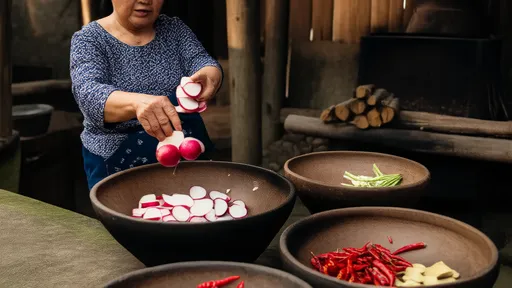
The process begins with selection and preparation. Not all rinds are created equal. The best candidates come from watermelons that are ripe but firm, their rinds a healthy green without excessive softness or bruising. Using a sharp knife, the dark green outer skin is carefully shaved away, revealing the firm, white to pale green inner rind. This is the prize. It is then cut into uniform pieces, cubes, spears, or thin slices, depending on the desired final texture and use. This preparation is crucial; it removes the unpalatably tough exterior and ensures even pickling.
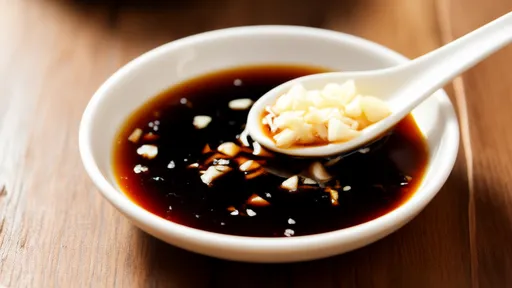
The brine is where the alchemy truly happens. A basic pickling liquid typically consists of vinegar, water, sugar, and salt, but the variations are infinite and allow for immense creativity. Apple cider vinegar offers a fruity tang, while white distilled vinegar provides a clean, sharp punch. The sugar balance is key—enough to counter the vinegar's acidity and complement the rind's faint sweetness, but not so much that it becomes cloying. This is where the flavor symphony begins. Spices like mustard seeds, peppercorns, and cloves are classic additions, infusing the brine with warmth and complexity. For a more adventurous palate, ingredients like fresh ginger slices, star anise, red pepper flakes, or even a splash of soy sauce can introduce stunning new dimensions.
The prepared rind is packed into clean jars, and the hot, aromatic brine is poured over it, sealing the ingredients together. Some recipes call for a quick pickle, where the jar is simply cooled and refrigerated, allowing the flavors to meld over a day or two. This results in a fresher, crisper pickle. For longer preservation, a traditional water bath canning process is used, which softens the rind slightly but allows it to be stored for months in the pantry, a taste of summer ready to be unlocked in the depths of winter.
The final product is nothing short of a revelation. The texture is its most celebrated feature—an intense, satisfying crunch that holds firm against the bite, a quality often lost in commercial cucumber pickles. The flavor is a perfect harmony of sweet, sour, and salty, with the spice notes dancing in the background. It is incredibly refreshing, making it an ideal palate cleanser or a side for rich, fatty foods. Its versatility in the kitchen is astounding. Chopped finely, it becomes a brilliant relish for hot dogs and burgers, adding a sweet-and-sour crunch that cuts through the richness. Diced into potato or chicken salad, it introduces a surprising and delightful texture and tang.
Beyond its culinary merits, embracing the watermelon rind is a powerful act of sustainable cooking. Food waste is a monumental global issue, with significant environmental and economic costs. By utilizing a part of the fruit that is almost universally discarded, we actively participate in a more mindful food culture. It changes our relationship with ingredients, encouraging us to see the potential in every part of what we buy and eat. This simple act of pickling transforms an afternoon snack into a statement against waste, proving that delicious solutions are often hidden in plain sight, waiting in our compost bins.
So, the next time you slice into a juicy watermelon, pause before you scrape the rind into the waste. See it not as garbage, but as raw potential. See the future crunchy, tangy pickles waiting to be born. With minimal effort and a bit of creativity, you can unlock a world of flavor from something you once threw away, creating a delicacy that is not only crisp and delicious but also a testament to the magic of resourceful cooking.

By /Aug 20, 2025
By /Aug 20, 2025
By /Aug 20, 2025
By /Aug 20, 2025
By /Aug 20, 2025
By /Aug 20, 2025

By /Aug 20, 2025
By /Aug 20, 2025
By /Aug 20, 2025

By /Aug 20, 2025
By /Aug 20, 2025
By /Aug 20, 2025
By /Aug 20, 2025
By /Aug 20, 2025
By /Aug 20, 2025

By /Aug 20, 2025
By /Aug 20, 2025
By /Aug 20, 2025
By /Aug 20, 2025
By /Aug 20, 2025
