In the quiet corners of our refrigerators, a small tragedy often unfolds—the slow, inevitable expiration of dairy products. Among these, yogurt frequently meets its fate untouched, its once-vibrant potential fading with each passing day. Yet what if this perceived failure could be transformed into a culinary triumph? A growing movement among resourceful home cooks and professional chefs is challenging our notion of food waste, discovering that near-expiry yogurt holds a secret power, particularly when it comes to poultry.
The quest for the perfect piece of chicken—juicy, tender, and flawlessly cooked—is a universal culinary pursuit. For generations, countless techniques have been employed to achieve this goal. Many home cooks have reached for baking soda, a common pantry item known for its ability to alter protein structures and create a tenderizing effect. This alkaline compound does work, but it comes with significant drawbacks. Its potency is unforgiving; a heavy hand can quickly lead to a soapy, metallic aftertaste that overwhelms the natural flavor of the meat. The texture, too, can cross a line from desirable tenderness to an unpleasantly mushy, almost spongy consistency that feels more like a chemical experiment than a delicious meal.
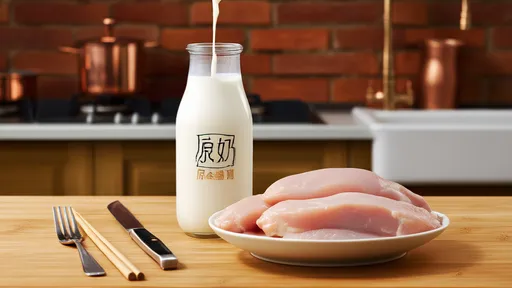
This is where the humble, often-overlooked container of yogurt waiting on the shelf enters the scene. As yogurt ages, its acidity subtly increases. This natural tang is the key to its transformative power. The lactic acid present in yogurt acts as a gentle but effective tenderizer. It works by slowly breaking down the long, tough protein strands in chicken muscle tissue. Unlike the harsh, rapid reaction caused by baking soda, the process with yogurt is a gradual marinade. It’s a slow dance of chemistry that tenderizes the meat from the surface inward without ever compromising its structural integrity.
The magic, however, doesn't stop at mere tenderizing. Yogurt performs a dual function. As the acids work on the proteins, the yogurt’s thick, creamy consistency clings to the chicken, forming a protective coating. This layer is a marvel of culinary science. During cooking, whether in a searing hot pan, a blazing oven, or on a smoky grill, this coating shields the meat from intense, direct heat. It slows down the cooking process just enough to allow the interior to come to the perfect temperature without the exterior drying out or burning. The result is chicken that is impossibly moist and succulent, with a tenderness that is consistent throughout every single bite. The mild, tangy flavor of the yogurt also mellows out, melding seamlessly with the chicken’s own savoriness and any other spices in the marinade, leaving no unwanted chemical footprint behind.
Adopting this technique is beautifully straightforward, requiring no special skills or equipment. The first step is to select your yogurt. Plain, unsweetened, and unflavored yogurt is non-negotiable. Greek yogurt, with its exceptionally thick and protein-rich texture, is a superstar here, as it clings to the chicken magnificently. However, standard plain yogurt works wonderfully as well. The goal is to create a marinade, so in a large bowl, combine the yogurt with your chosen flavor profile. This is where you can unleash your creativity. A classic Indian-inspired blend might include garlic, ginger, garam masala, turmeric, and a squeeze of lemon juice. A Mediterranean version could feature olive oil, crushed garlic, rosemary, thyme, and lemon zest. For something simpler, salt, black pepper, paprika, and a touch of garlic powder are more than sufficient.
Add your chicken pieces—thighs, breasts, or drumsticks all benefit equally—to the bowl and use your hands to ensure every nook and cranny is thoroughly enveloped in the creamy marinade. This is a crucial step; complete coverage guarantees even tenderizing and flavor distribution. Once coated, cover the bowl and let the refrigerator do the rest of the work. Time is your ally here. While a brief marinade of a few hours will yield good results, allowing the chicken to bathe in the yogurt overnight, or for up to 24 hours, will produce truly extraordinary tenderness. The lactic acid has ample time to work its magic deep into the muscle fibers, ensuring there isn't a single tough bite to be found.
When you’re ready to cook, there’s no need to wipe off the marinade. That clinging yogurt is your ticket to a golden, beautifully caramelized exterior. For roasting, arrange the chicken on a wire rack set over a baking sheet. The hot air circulating around the meat will create a perfectly cooked interior and a slightly crisp surface. For grilling, place the chicken directly over the heat, allowing those gorgeous grill marks to form and a subtle smokiness to penetrate. The yogurt coating will prevent the dreaded flare-ups that often char chicken on the barbecue. Stovetop cooking in a heavy-bottomed skillet or braising in a Dutch oven are also excellent methods, with the yogurt creating a rich, flavorful foundation for a sauce.
This discovery does more than just elevate your weeknight dinner; it represents a significant shift in how we view our food resources. In a world increasingly concerned with sustainability, finding ingenious ways to utilize products that are nearing the end of their shelf life is a small but powerful act of conservation. It’s a practice that respects the energy, resources, and labor that went into producing that food. Repurposing near-expiry yogurt for a marinade prevents it from becoming just another statistic in the alarming global food waste crisis, all while delivering a superior culinary result. It’s a win-win scenario that feels both smart and deeply satisfying.
So, the next time you spot a container of yogurt in your fridge that’s approaching its date, don’t see an item to be discarded. See an opportunity. See it as the secret weapon it truly is—a natural, forgiving, and incredibly effective tool that promises to deliver the most tender, flavorful, and juicy chicken you’ve ever cooked. It’s a simple swap that honors the ingredient, reduces waste, and unlocks a world of flavor, proving that sometimes the best solutions are already hiding in plain sight, waiting for a second chance.
By /Aug 20, 2025
By /Aug 20, 2025
By /Aug 20, 2025
By /Aug 20, 2025
By /Aug 20, 2025
By /Aug 20, 2025
By /Aug 20, 2025
By /Aug 20, 2025

By /Aug 20, 2025

By /Aug 20, 2025

By /Aug 20, 2025
By /Aug 20, 2025
By /Aug 20, 2025
By /Aug 20, 2025
By /Aug 20, 2025
By /Aug 20, 2025
By /Aug 20, 2025

By /Aug 20, 2025
By /Aug 20, 2025
By /Aug 20, 2025
