On a crisp autumn evening, as the wind whispers through nearly bare branches, the thought of a warm, hearty soup becomes increasingly appealing. There's something almost primal about the desire for comfort food as temperatures drop and daylight dwindles. Yet in our modern era of packed schedules and endless commitments, the luxurious simmering of homemade soup often feels like a distant fantasy reserved for weekends or special occasions. The traditional image of soup-making involves fresh vegetables meticulously chopped, hours of slow cooking, and constant supervision—a ritual many admire but few have time to practice.
Enter the unsung hero of the culinary world: frozen vegetables. Long relegated to the status of second-class ingredients, frozen produce has undergone a quiet revolution in quality and variety while maintaining its fundamental advantage of convenience. The freezer aisle now offers an impressive array of options, from basic peas and carrots to sophisticated blends specifically crafted for different culinary applications. Among these, the mixed vegetable blend stands out as particularly versatile, typically combining carrots, corn, green beans, and peas—a colorful medley that forms an excellent foundation for countless dishes.
The real breakthrough in efficient soup-making comes when we combine these frozen vegetable blends with another freezer staple: frozen potatoes. Available in various forms from diced to shredded, frozen potatoes eliminate the most time-consuming aspect of potato preparation—the peeling and chopping. When brought together in a single pot, these frozen ingredients create a symphony of convenience and flavor that shaves significant time off the cooking process without compromising on taste or nutritional value.
Consider the traditional soup-making process: washing, peeling, and chopping numerous vegetables easily consumes twenty to thirty minutes before any actual cooking begins. With frozen vegetables, this prep time vanishes entirely. The vegetables emerge from their bags ready for the pot, uniformly cut and blanched at peak freshness. This freezing process actually helps break down cell walls slightly, meaning frozen vegetables often cook faster than their fresh counterparts while retaining more nutrients than produce that has traveled long distances and sat on store shelves.
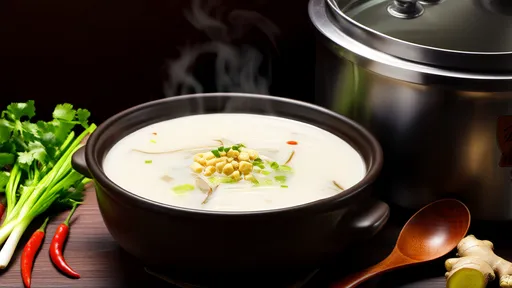
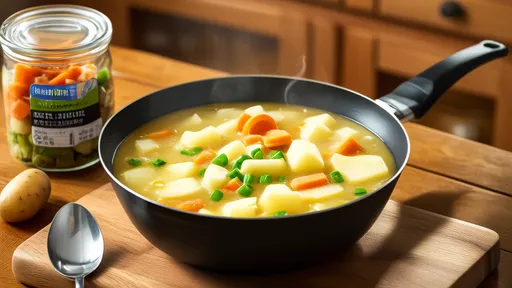
The magic truly happens when these convenience elements combine in a single pot. A typical creamy vegetable soup begins with a simple base—perhaps sautéed onions and garlic if you have an extra five minutes, though even these can be purchased pre-chopped and frozen for ultimate efficiency. The frozen vegetable blend goes in next, along with the frozen potatoes. Add vegetable or chicken broth, bring to a boil, then simmer until everything becomes tender. The potatoes will naturally release starch as they cook, helping to thicken the broth into a satisfying, substantial texture.
For those seeking creamier results, a splash of milk, cream, or coconut milk can be added toward the end of cooking. Alternatively, an immersion blender can quickly puree a portion of the soup to create thickness without additional calories. Herbs and spices can be adjusted according to preference—a bay leaf during cooking, a sprinkle of paprika or thyme, fresh parsley at the end. The frozen vegetables provide such a solid foundation that the soup becomes a canvas for personal expression rather than a rigid recipe.
The time savings become particularly evident when we compare methods. Traditional from-scratch vegetable soup with fresh ingredients typically requires about 45-60 minutes of active preparation and cooking time. The frozen vegetable approach reduces this to approximately 15-30 minutes—a time reduction of 30-50% depending on the specific recipe and techniques used. This difference transforms soup from a weekend project to a viable weeknight dinner option, something that can be prepared after a long work day without exhausting the cook.
Beyond mere convenience, this approach offers consistent results. Frozen vegetables are processed at peak ripeness, meaning their flavor and nutrient content are often superior to out-of-season fresh produce that has traveled long distances. The freezing process locks in vitamins and minerals that might otherwise degrade during transport and storage. The texture of properly cooked frozen vegetables in soup is virtually indistinguishable from fresh, especially in pureed or long-simmered applications where individual vegetable textures soften and blend together.
Economically, the frozen vegetable approach presents advantages as well. While per-pound prices might sometimes be higher for frozen versus fresh, there's virtually no waste with frozen vegetables—no spoilage, no trimming loss, no imperfect portions discarded. You use exactly what you need and return the rest to the freezer. This efficiency makes the overall cost often comparable or even favorable to fresh produce, especially when considering the value of saved preparation time.
The versatility of this method deserves emphasis. The basic formula—frozen mixed vegetables plus frozen potatoes plus liquid—serves as a foundation for countless variations. Add curry powder and coconut milk for an Indian-inspired version. Include smoked paprika and chorizo for a Spanish flair. Stir in pesto at the end for an Italian twist. The simplicity of the base recipe encourages experimentation rather than inhibiting it. Even dietary restrictions can be easily accommodated—use gluten-free thickeners if needed, vegetable broth for vegan versions, or adjust sodium levels by choosing low-sodium broths.
For families with children, this approach offers additional benefits. The consistent texture and flavor of frozen vegetables can help overcome picky eating habits. The bright colors of the mixed vegetables make the soup visually appealing, while the natural sweetness of vegetables like corn and carrots balances more assertive flavors. Pureeing the soup completely creates a smooth, approachable texture that even the most vegetable-wary children often enjoy, especially when served with fun toppings like cheese, croutons, or a dollop of sour cream.
Meal preppers will find this method particularly valuable. A large batch of soup made with frozen vegetables freezes exceptionally well, meaning you can prepare multiple meals in one efficient cooking session. The soup can be portioned into individual containers for grab-and-go lunches or family dinners throughout the week. The freezing process doesn't diminish the quality since the vegetables were already frozen—the texture remains excellent upon reheating.
As we navigate an increasingly fast-paced world, solutions that preserve culinary quality while respecting time constraints become ever more valuable. The combination of frozen mixed vegetables and frozen potatoes for soup represents exactly this kind of intelligent efficiency—a way to maintain connection to homemade food traditions without being enslaved by them. It demonstrates how modern food technology, when understood and applied thoughtfully, can enhance our lives rather than diminish them.
Ultimately, this approach to soup-making embodies a broader philosophy of cooking in contemporary life: that good food need not be complicated or time-consuming, that convenience and quality can coexist, and that the warmth of a homemade meal should be accessible to everyone, regardless of their schedule. The humble bag of frozen vegetables, paired with equally convenient frozen potatoes, becomes not just a time-saver but an enabler of comfort, nourishment, and connection—the very essence of what makes soup so special in the first place.
By /Aug 20, 2025
By /Aug 20, 2025
By /Aug 20, 2025
By /Aug 20, 2025
By /Aug 20, 2025
By /Aug 20, 2025

By /Aug 20, 2025
By /Aug 20, 2025
By /Aug 20, 2025

By /Aug 20, 2025
By /Aug 20, 2025
By /Aug 20, 2025
By /Aug 20, 2025
By /Aug 20, 2025
By /Aug 20, 2025
By /Aug 20, 2025
By /Aug 20, 2025
By /Aug 20, 2025
By /Aug 20, 2025
By /Aug 20, 2025
