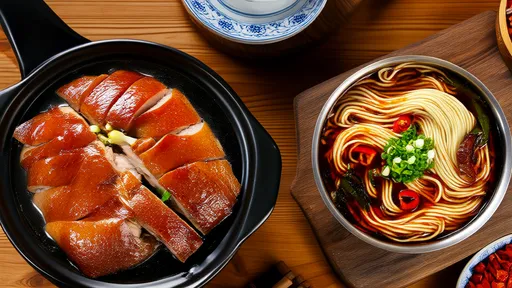
In the realm of culinary arts, few ingredients offer as much versatility and depth as the humble duck. A single bird, when approached with skill and creativity, can yield an entire meal that celebrates different textures, flavors, and cooking techniques. This philosophy is beautifully embodied in the concept of "one duck, three ways," a practice that transforms a whole duck into three distinct and exquisite dishes: pan-seared and roasted duck breast, a rich and aromatic broth from the carcass, and a simple yet luxurious noodle dish tossed with rendered duck fat. It is a testament to resourcefulness and a deep respect for the ingredient, ensuring that no part goes to waste while delivering a multi-faceted dining experience.
The journey begins with the breast, often considered the prime cut of the duck. The goal is to achieve that perfect contrast: skin that is impossibly crisp and crackling, and meat that is succulent, juicy, and blushing a delicate pink. This is achieved through a patient process of scoring the skin, which helps render out the copious fat, and slow, deliberate cooking, often starting in a cold pan. The breast is then finished in a hot oven or under a broiler to crisp the skin to perfection. The result is a centerpiece worthy of any fine dining table, often served sliced and fanned out, perhaps with a sweet and tart fruit-based sauce like orange or cherry to cut through the richness. The first bite is a symphony of textures and tastes—the shatter of the skin giving way to the tender, flavorful meat beneath.
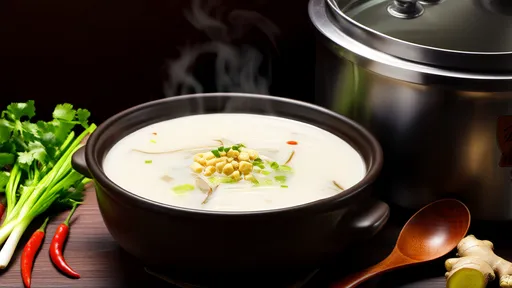
Once the prized breasts are removed, the remaining carcass, still clinging with precious meat, is far from discard. It becomes the foundation for the second act: a deeply flavorful broth. This is where patience is truly rewarded. The bones are typically roasted first to deepen their flavor, then simmered for hours with aromatic vegetables like onions, carrots, and celery, along with a bouquet of herbs such as thyme, bay leaves, and peppercorns. This long, slow extraction coaxes every last bit of essence from the bones, creating a liquid that is both nourishing and intensely savory. This broth can be enjoyed as a clear, consommé-style soup, perhaps with a few delicate herbs floating on top, or used as the base for a more substantial stew or risotto. It is the soul of the duck, transformed into a comforting and elegant liquid essence.
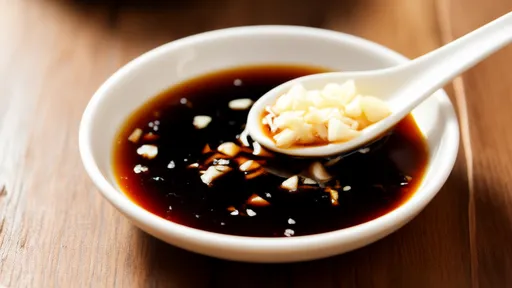
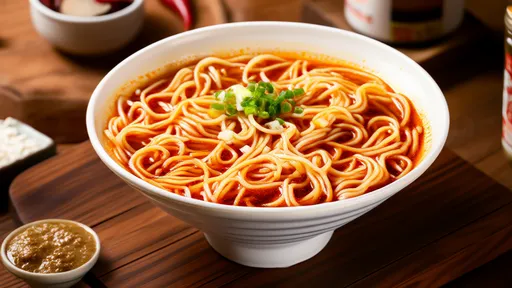
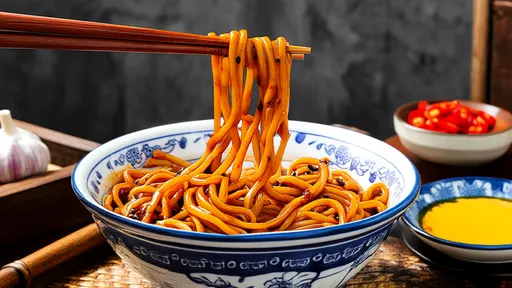
The final, and perhaps most ingenious, transformation involves the byproduct of cooking the breast: the rendered duck fat. As the breast cooks slowly, its fat melts away, leaving behind a golden, liquid treasure in the pan. This fat is culinary gold, imbued with the profound, savory flavor of duck. Instead of being discarded, it is carefully strained and reserved. Its destiny is to elevate the simplest of dishes into something extraordinary. Tossed with freshly cooked noodles, a splash of soy sauce, and perhaps some finely sliced scallions, the duck fat creates a dish of stunning simplicity and profound depth. The noodles become slick, glossy, and incredibly flavorful, each strand coated in the rich essence of duck. It’s a humble dish that speaks volumes about the chef's wisdom in utilizing every last bit of the ingredient.
This holistic approach to the duck is more than just a clever series of recipes; it is a narrative on a plate. It tells a story of transformation and respect. It begins with the show-stopping elegance of the seared breast, moves to the comforting, soulful depth of the broth, and concludes with the rustic, honest pleasure of the fat-tossed noodles. Each dish stands on its own as a complete and satisfying creation, yet together they form a harmonious and complete culinary journey. They are intrinsically linked, each born from the same source but expressing a entirely different facet of its character.
This method also speaks to a broader, increasingly important culinary ethos: nose-to-tail cooking and the reduction of food waste. In a world conscious of sustainability, being able to create three magnificent dishes from a single bird is not just skillful, it's responsible. It honors the animal by ensuring that its sacrifice yields the maximum amount of nourishment and pleasure. It is a practice that would make any butcher proud and any diner deeply satisfied, knowing that their meal was crafted with both expertise and integrity.
Ultimately, the "one duck, three ways" technique is a celebration of the whole. It demonstrates that greatness in the kitchen often lies not in complexity for its own sake, but in understanding an ingredient so intimately that you can guide it through multiple, perfect expressions. It is a rewarding challenge for any home cook to undertake and a truly memorable experience for anyone lucky enough to enjoy the results. From the crisp skin of the breast to the last slurp of the rich, duck-fat coated noodles, it is a complete and utterly satisfying feast from a single, magnificent bird.
By /Aug 20, 2025
By /Aug 20, 2025
By /Aug 20, 2025
By /Aug 20, 2025
By /Aug 20, 2025
By /Aug 20, 2025
By /Aug 20, 2025
By /Aug 20, 2025
By /Aug 20, 2025

By /Aug 20, 2025
By /Aug 20, 2025
By /Aug 20, 2025
By /Aug 20, 2025
By /Aug 20, 2025
By /Aug 20, 2025
By /Aug 20, 2025
By /Aug 20, 2025
By /Aug 20, 2025
By /Aug 20, 2025
By /Aug 20, 2025
