In the world of culinary arts, it's often the overlooked parts of ingredients that hold the most potential for creativity and flavor. Take radish peels, for instance. Most home cooks discard them without a second thought, viewing them as nothing more than scraps destined for the compost bin or trash. But what if I told you that these humble peels could be transformed into something extraordinary? Something crisp, tangy, and utterly addictive? Welcome to the art of quick-pickling radish peels—a simple technique that turns kitchen waste into a gourmet treat in just three days.
The concept of using vegetable scraps isn't new; it's a practice deeply rooted in various culinary traditions around the globe, particularly in cultures that emphasize frugality and sustainability. In Korean cuisine, for example, nothing goes to waste. Radish peels, often considered too tough or bitter for direct consumption, are perfect candidates for pickling. The process not only reduces food waste but also unlocks a surprising depth of flavor and texture that might otherwise be missed. The result is a condiment that's both economical and delicious, a testament to the idea that great food doesn't have to be expensive or complicated.
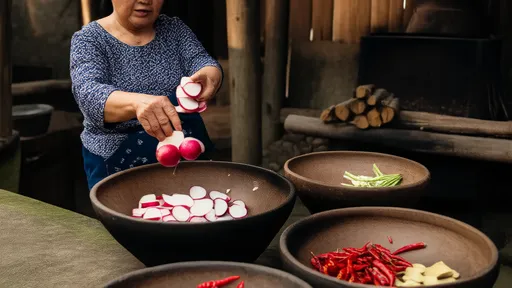
So, how does one go about transforming radish peels into a delectable pickle? The process is refreshingly straightforward, requiring minimal ingredients and equipment. First, you'll need a good handful of radish peels—roughly the amount from two or three large radishes. Make sure to wash the radishes thoroughly before peeling to remove any dirt or impurities. The peels themselves should be relatively fresh; if they've been sitting in the fridge for a few days, they might have lost some of their crispness, which is crucial for the final texture.
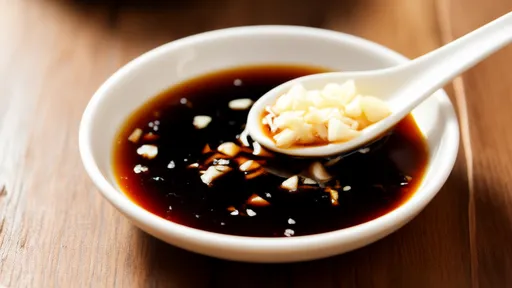
The brine is where the magic happens. A basic pickling brine consists of vinegar, water, salt, and sugar, but the exact proportions can be adjusted to suit your taste. For a tangier pickle, increase the vinegar; for a sweeter note, add a bit more sugar. Some enthusiasts like to incorporate additional flavors such as garlic, ginger, chili flakes, or even a splash of soy sauce for an umami kick. The key is to balance the acidity, sweetness, and salinity so that no single element overpowers the others. Once the brine is prepared, it's simply a matter of combining it with the radish peels in a clean, airtight jar.
Now, here's where patience comes into play. Unlike fermented pickles that can take weeks or even months to develop their full flavor, quick-pickled radish peels are ready in just three days. During this time, the peels undergo a subtle transformation. The brine penetrates the tissues, softening them slightly while preserving their inherent crunch. The flavors meld together, creating a complex profile that's both refreshing and satisfying. It's a waiting game, but the result is well worth it.
But why radish peels specifically? What makes them so special? For one, they have a robust texture that holds up well to pickling. Unlike softer vegetable scraps that might turn mushy, radish peels retain a pleasant firmness that provides a satisfying bite. Additionally, they have a slightly peppery flavor that pairs beautifully with the acidity of the vinegar. This combination of texture and taste makes them an ideal candidate for pickling, offering a unique alternative to more common pickled vegetables like cucumbers or carrots.
Beyond their culinary appeal, pickled radish peels also offer nutritional benefits. Radishes are rich in vitamins and minerals, and while some nutrients are lost during peeling, many remain in the skin. Pickling can help preserve these nutrients, making the peels not just a tasty snack but a healthy one too. They're low in calories but high in fiber, aiding digestion and promoting a feeling of fullness. Plus, the probiotics generated during the pickling process (especially if you opt for a natural fermentation method) can contribute to gut health, though quick-pickling with vinegar doesn't produce as many probiotics as longer fermentation methods.
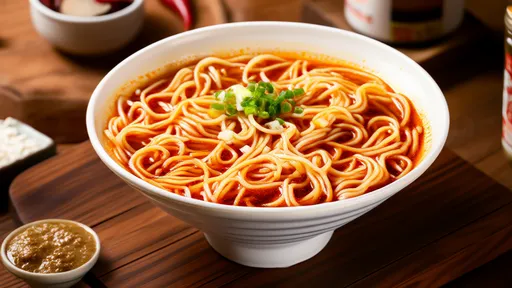
Once your pickled radish peels are ready, the possibilities for enjoyment are nearly endless. They make a fantastic topping for salads, adding a burst of flavor and crunch. Try them on tacos or sandwiches for an extra zing, or serve them alongside grilled meats as a tangy counterpoint to rich flavors. They can even be chopped up and mixed into rice or noodle dishes for an unexpected twist. Their versatility is part of their charm; once you have a jar in your fridge, you'll find yourself reaching for it again and again.
If you're feeling adventurous, you can experiment with different types of radishes. Daikon radish peels, for example, are particularly popular in Asian pickling traditions due to their mild flavor and substantial texture. Red radish peels offer a vibrant color that can make any dish more visually appealing. You can even mix and match peels from different radish varieties to create a custom blend of flavors and hues. The process remains the same regardless of the type, so don't be afraid to get creative.
For those concerned about food waste, this technique is a small but meaningful step toward a more sustainable kitchen. According to some estimates, nearly a third of all food produced globally is wasted, contributing significantly to environmental issues like greenhouse gas emissions. By finding uses for parts of ingredients that are typically discarded, we can reduce our culinary footprint while discovering new flavors and textures. Pickling radish peels is just one example of how a little creativity can turn trash into treasure.
Of course, like any culinary endeavor, there are a few tips and tricks to ensure success. Always use clean utensils and jars to prevent contamination. If you notice any off smells or signs of mold, discard the batch immediately—safety first! For the best texture, consume the pickles within a week or two, though they can last longer if kept refrigerated. And remember, the flavor will continue to develop over time, so don't be surprised if they taste even better after a few extra days.
In a world where convenience often trumps craftsmanship, taking the time to pickle your own radish peels might seem like a quaint throwback. But therein lies its appeal. It's a reminder that good things take time, that patience can be rewarded with incredible flavor, and that sometimes the best ingredients are hiding in plain sight—or in this case, in the scrap bowl. So next time you find yourself with a handful of radish peels, don't toss them. Instead, give them a second life. Your taste buds will thank you.
By /Aug 20, 2025
By /Aug 20, 2025
By /Aug 20, 2025
By /Aug 20, 2025
By /Aug 20, 2025
By /Aug 20, 2025
By /Aug 20, 2025
By /Aug 20, 2025
By /Aug 20, 2025

By /Aug 20, 2025
By /Aug 20, 2025
By /Aug 20, 2025
By /Aug 20, 2025
By /Aug 20, 2025
By /Aug 20, 2025

By /Aug 20, 2025
By /Aug 20, 2025
By /Aug 20, 2025
By /Aug 20, 2025
By /Aug 20, 2025
