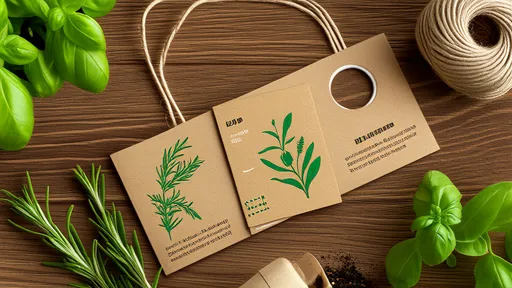
The packaging industry is undergoing a quiet revolution, one that blurs the line between product and purpose. Among the most intriguing innovations is the emergence of plantable tags—small, biodegradable labels embedded with seeds that transform into herbs or flowers after use. These tags, often attached to clothing or household items, represent a shift toward sustainability that goes beyond recycling. They invite consumers to participate in the lifecycle of the product long after its initial purpose has been served.
At first glance, the concept seems almost whimsical: a clothing tag that sprouts basil or thyme. Yet, the implications are profound. Traditional packaging, especially in the fashion industry, is notoriously wasteful. Millions of tags, labels, and stickers end up in landfills each year, contributing to environmental degradation. Plantable tags offer a stark contrast. Made from recycled paper pulp and embedded with non-GMO seeds, they are designed to decompose naturally when planted, leaving no trace behind except for the plants they nurture.
The process is simple but elegant. After purchasing an item, the consumer removes the tag and plants it in soil, waters it, and waits. Within weeks, the tag breaks down, and the seeds germinate, yielding fresh herbs, flowers, or even vegetables. This not only reduces waste but also fosters a deeper connection between consumers and the products they buy. It’s a tangible reminder that sustainability isn’t just about avoiding harm—it’s about creating something new.
Brands adopting this technology are finding that it resonates strongly with eco-conscious shoppers. In an era where consumers increasingly scrutinize the environmental impact of their purchases, plantable tags serve as a visible commitment to sustainability. They also provide a unique storytelling opportunity. A tag that grows into a basil plant isn’t just a label; it’s a conversation starter, a symbol of a brand’s dedication to innovation and environmental stewardship.
Beyond their environmental benefits, plantable tags also challenge conventional notions of packaging. Traditionally, packaging has been seen as a necessary evil—something to be discarded as quickly as possible. But what if packaging could have a second life? What if it could become something beautiful or useful? This shift in perspective is at the heart of the packaging revolution. It’s not just about reducing waste; it’s about reimagining the role of packaging in our lives.
The technology behind plantable tags is still evolving. Early versions were limited to hardy herbs like mint or chamomile, but recent advancements have expanded the range to include vegetables like cherry tomatoes and even edible flowers. The key challenge lies in ensuring the seeds remain viable during the product’s shelf life. Exposure to heat, light, or moisture can compromise germination rates, so manufacturers are experimenting with protective coatings and seed storage techniques to improve reliability.
Critics argue that plantable tags are a niche solution—a drop in the ocean of global waste. While it’s true that they won’t single-handedly solve the packaging crisis, they represent an important step forward. They demonstrate that sustainability can be woven into every aspect of a product’s design, down to the smallest detail. Moreover, they inspire other innovations. If a tag can be plantable, what else can packaging do? Could bottles biodegrade into nutrients for soil? Could wrappers dissolve harmlessly in water?
The rise of plantable tags also reflects a broader cultural shift. Consumers are no longer satisfied with token gestures toward sustainability. They demand meaningful action, and brands are responding. From fashion to food, companies are exploring ways to make their packaging not just less harmful, but actively beneficial. In this context, plantable tags are more than a clever marketing gimmick—they’re a glimpse into a future where waste is obsolete, and every product gives back to the earth.
As the movement grows, so does its potential impact. Imagine a world where every discarded tag, instead of languishing in a landfill, becomes a source of life. Where packaging doesn’t just protect a product, but enriches the environment. This is the promise of plantable tags—a small but significant step toward a more sustainable future. The packaging revolution is here, and it’s growing, one seed at a time.

By /Aug 1, 2025

By /Aug 1, 2025

By /Aug 1, 2025
By /Aug 1, 2025

By /Aug 1, 2025
By /Aug 1, 2025
By /Aug 1, 2025

By /Aug 1, 2025

By /Aug 1, 2025

By /Aug 1, 2025

By /Aug 1, 2025

By /Aug 1, 2025

By /Aug 1, 2025

By /Aug 1, 2025

By /Aug 1, 2025

By /Aug 1, 2025

By /Aug 1, 2025
By /Aug 1, 2025

By /Aug 1, 2025

By /Aug 1, 2025
