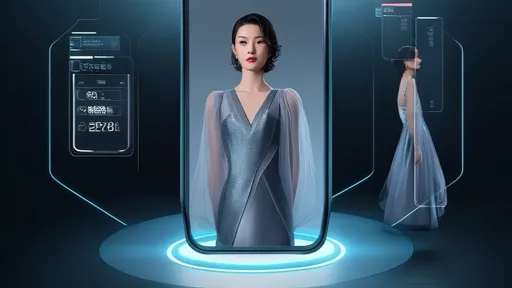
The fashion and beauty industries are undergoing a digital revolution, and at the forefront of this transformation is the AR Try-On Mirror. This cutting-edge technology is redefining how consumers interact with fashion, allowing them to experiment with virtual outfits and makeup in real time. No longer confined to traditional fitting rooms, shoppers can now explore endless style possibilities with just a swipe or a tap. The integration of augmented reality into retail spaces is not just a novelty—it’s becoming a necessity for brands aiming to stay relevant in an increasingly digital marketplace.
One of the most compelling features of the AR Try-On Mirror is its ability to seamlessly match virtual makeup with clothing styles. Imagine standing in front of a mirror that not only suggests outfits based on your body type but also recommends complementary makeup looks. A bold red dress might trigger suggestions for a classic winged eyeliner and a matte lip, while a pastel sundress could pair with soft, dewy makeup. The mirror’s algorithm analyzes color palettes, textures, and current trends to create harmonious combinations, offering users a holistic styling experience.
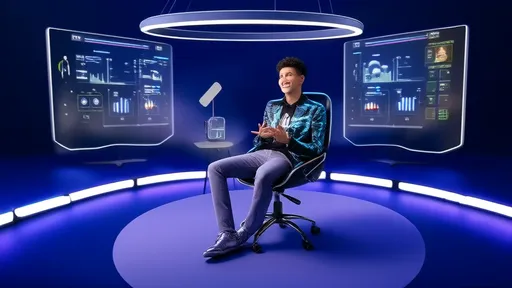
The technology behind these mirrors is as sophisticated as the looks they generate. Advanced facial recognition software maps the user’s features with pinpoint accuracy, ensuring that virtual makeup adheres naturally to their face. Meanwhile, machine learning algorithms process vast datasets of fashion trends and consumer preferences to deliver personalized recommendations. The result is a tool that feels intuitive and responsive, almost like having a personal stylist at your fingertips. For retailers, this translates into longer engagement times and higher conversion rates, as customers are more likely to purchase items they’ve already "tried on" virtually.
Beyond the convenience factor, AR Try-On Mirrors are also making waves in sustainability. By reducing the need for physical samples and minimizing returns—a significant pain point in online shopping—these mirrors contribute to a more eco-friendly retail model. Consumers can experiment with different styles without the guilt of generating waste, and brands can cut down on overproduction. It’s a win-win scenario that aligns with the growing demand for sustainable fashion solutions.
The social media implications are equally noteworthy. In an era where Instagram-worthy looks dominate, the ability to instantly visualize and share styled outfits is a game-changer. Users can snap photos or record videos of their virtual makeovers, sharing them across platforms for instant feedback. This not only amplifies brand visibility but also turns shopping into a communal experience. Fashion is no longer a solitary activity; it’s a shared journey fueled by technology and creativity.
Despite its many advantages, the adoption of AR Try-On Mirrors isn’t without challenges. Privacy concerns loom large, as the technology relies on collecting and processing biometric data. Brands must navigate these waters carefully, ensuring transparency and robust data protection measures. Additionally, there’s the hurdle of accessibility—high-end AR mirrors come with a hefty price tag, putting them out of reach for smaller retailers. However, as the technology matures and becomes more affordable, these barriers are likely to diminish.
Looking ahead, the potential applications of AR Try-On Mirrors extend far beyond retail. Imagine using this technology for virtual fashion shows, where attendees can "try on" the showcased looks in real time. Or picture its use in entertainment, allowing actors to test costumes and makeup digitally before filming. The possibilities are as vast as the imagination, and we’re only scratching the surface of what this technology can achieve.
For now, one thing is clear: the AR Try-On Mirror is more than a passing trend. It’s a transformative tool that bridges the gap between physical and digital shopping, offering unparalleled convenience, personalization, and creativity. As brands continue to innovate and consumers embrace these advancements, the future of fashion looks brighter—and more virtual—than ever.
By /Aug 1, 2025

By /Aug 1, 2025

By /Aug 1, 2025

By /Aug 1, 2025
By /Aug 1, 2025
By /Aug 1, 2025
By /Aug 1, 2025

By /Aug 1, 2025
By /Aug 1, 2025

By /Aug 1, 2025
By /Aug 1, 2025
By /Aug 1, 2025
By /Aug 1, 2025
By /Aug 1, 2025

By /Aug 1, 2025

By /Aug 1, 2025
By /Aug 1, 2025
By /Aug 1, 2025
By /Aug 1, 2025

By /Aug 1, 2025
